
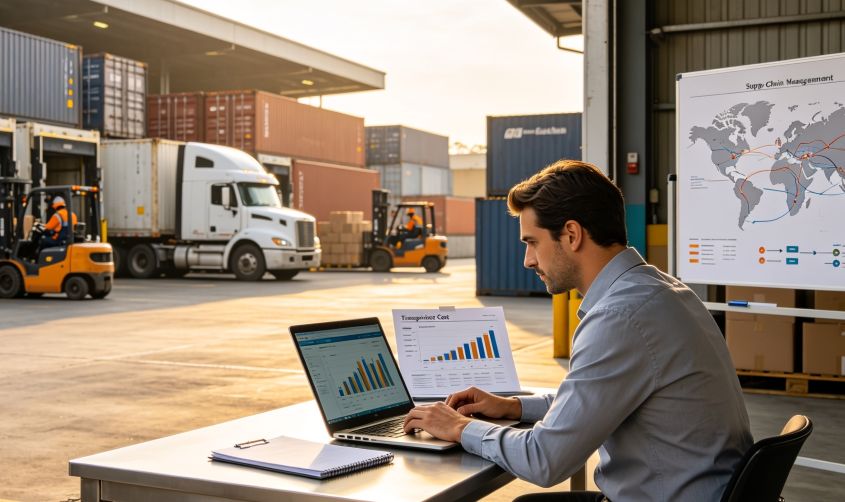
The World Bank estimates that logistics performance plays a significant role in international trade efficiency, while rising costs across transportation networks continue to reshape business decisions worldwide. Companies that move goods by road, rail, air, and sea are facing higher operating expenses, changing regulations, labor shortages, and unpredictable economic conditions. These pressures have increased the importance of sound financial planning as transportation businesses balance daily operations with long-term investment decisions.
Economic uncertainty has made budgeting more complex than it was just a few years ago. Many fleet operators are reviewing expenses more frequently, delaying equipment purchases, and looking for ways to improve cash flow without sacrificing service quality. As supply chains continue to evolve, businesses must prepare for financial risks while remaining flexible enough to respond to new market opportunities, making financial planning for transportation business owners a critical part of long-term resilience.
1. Fuel Costs Continue to Influence Profit Margins
Fuel remains one of the largest operating expenses for transportation companies. Research from the International Energy Agency (IEA) shows that global energy markets remain sensitive to geopolitical events, production changes, and shifts in demand. Even modest increases in fuel prices can significantly affect delivery costs across large vehicle fleets.
Many companies respond by improving route planning, investing in fuel-efficient vehicles, and using telematics systems to monitor driving behavior. These operational improvements help reduce unnecessary fuel consumption while supporting more predictable financial performance.
2. Fleet Maintenance Requires Long-Term Budgeting
Vehicles, trailers, warehouse equipment, and supporting infrastructure require continuous maintenance. Experts at the American Transportation Research Institute (ATRI) note that maintenance costs have increased alongside higher prices for replacement parts, specialized labor, and vehicle technology.
Unexpected breakdowns create direct repair expenses while also causing delayed deliveries and lost revenue. Businesses that establish preventive maintenance schedules often experience fewer operational disruptions and can forecast maintenance spending more accurately throughout the year.
3. Labor Shortages Increase Operating Expenses
Finding and retaining qualified drivers, mechanics, dispatchers, and warehouse personnel has become increasingly difficult. Data from the International Road Transport Union (IRU) indicates that driver shortages remain a challenge across many countries, affecting freight capacity and delivery schedules.
Higher wages, expanded employee benefits, training programs, and recruitment efforts all contribute to increased labor costs. Companies must carefully balance competitive compensation with sustainable financial management to maintain reliable operations.
4. Regulatory Compliance Adds Financial Complexity
Transportation businesses operate within a growing network of safety standards, environmental regulations, customs requirements, and reporting obligations. Regulatory updates often require investments in new equipment, emissions technology, software platforms, or employee training.
The International Transport Forum (ITF) highlights that regulatory compliance continues to evolve as governments pursue safer transportation systems and lower emissions. Financial planning helps organizations prepare for these expenses before compliance deadlines arrive.
5. Supply Chain Disruptions Affect Cash Flow
Global supply chains remain vulnerable to weather events, geopolitical developments, port congestion, and manufacturing delays. These disruptions can reduce shipment volumes or increase transportation costs without warning.
Research published by the Organisation for Economic Co-operation and Development (OECD) suggests that resilient supply chains require businesses to build greater financial flexibility into their operating models. Maintaining emergency reserves and diversified customer relationships helps companies absorb temporary disruptions. Understanding broader global economic trends can also help transportation businesses anticipate market shifts and make more informed financial decisions during periods of economic uncertainty.
6. Technology Investments Demand Careful Evaluation
Transportation companies are adopting transportation management systems, warehouse automation, GPS tracking, artificial intelligence, and predictive maintenance software to improve efficiency. While these technologies can generate long-term savings, they often require substantial upfront investment.
Business leaders must compare implementation costs with expected productivity improvements before making purchasing decisions. Careful budgeting allows organizations to modernize operations without creating excessive financial pressure.
7. Financial Planning Supports Sustainable Growth
Growth opportunities continue to emerge despite ongoing economic challenges. Expanding into new markets, purchasing additional vehicles, opening distribution facilities, or introducing specialized freight services all require significant capital.
Comprehensive financial planning enables transportation companies to evaluate financing options, forecast cash flow, manage debt responsibly, and prepare for unexpected market changes. A structured financial strategy also helps business owners prioritize investments that align with long-term operational goals rather than reacting only to short-term market conditions.
Regular financial reviews, realistic revenue projections, risk assessments, and contingency planning provide greater confidence when making expansion decisions. These practices become increasingly valuable as transportation networks become more interconnected across international markets.
Looking Ahead
The transportation and logistics industry continues to evolve alongside changing consumer expectations, digital transformation, sustainability initiatives, and global trade patterns. Analysts expect ongoing investment in electric vehicles, automation, supply chain visibility, and data-driven decision-making over the coming years.
The World Economic Forum notes that future freight systems will likely combine greater digital connectivity with improved environmental performance. Businesses that maintain strong financial discipline while adapting to new technologies and market conditions will be better positioned to respond to future challenges.
Although economic uncertainty is likely to remain part of the transportation landscape, careful budgeting, proactive risk management, and thoughtful investment planning provide organizations with greater resilience. As freight demand, regulations, and customer expectations continue to change, transportation businesses that regularly evaluate their financial position will be better equipped to support sustainable growth and long-term operational success.
